Marketing
Why would anyone care?
People don’t love brands. They love who they get to be when they choose them.
Beauty, entertainment, retail, and food and beverage: the brands I can’t stop studying.
How Glossier Lost Its Cult
Glossier was built by its comments section, then handed its fans to Sephora and TikTok. My plan to win them back.
- Started from the HBS case I studied in MIS 375 and followed the story from 2018 to 2026
- Found the turn the case predicts: the tech team that built Glossier’s platform was cut, then discovery moved to Sephora
- Mapped who Glossier sells to: four customer segments today, two to win next, and the channel each one buys through
- Three moves: a members’ club, creators paid per sale, and fragrance as a world
- Set what to add right next to the core (masks, refills, Club tiers, four flagships) and four trade-offs: what to stop, close, never do and leave for later
- Tied them into one campaign, Back in the chat: a text to every past fan, a creator-run vote, and a perfume your friends name
- Invented community-sourced revenue, the share of sales that start in Glossier’s own channels
Rhode Has a Hailey Problem
Rhode is booming, and every sale runs through one famous face. My plan to make the brand outlive the fame.
- Followed the money from e.l.f.’s $1B deal to Rhode’s first year in Sephora, and fact-checked every number
- Connected it to my Glossier case: the same move into Sephora, one step earlier
- Three moves: make the product the celebrity, build a bench of faces, and keep the drop alive
- Invented Hailey-free demand, the share of sales that doesn’t start with her
Same Fame, Different Fates
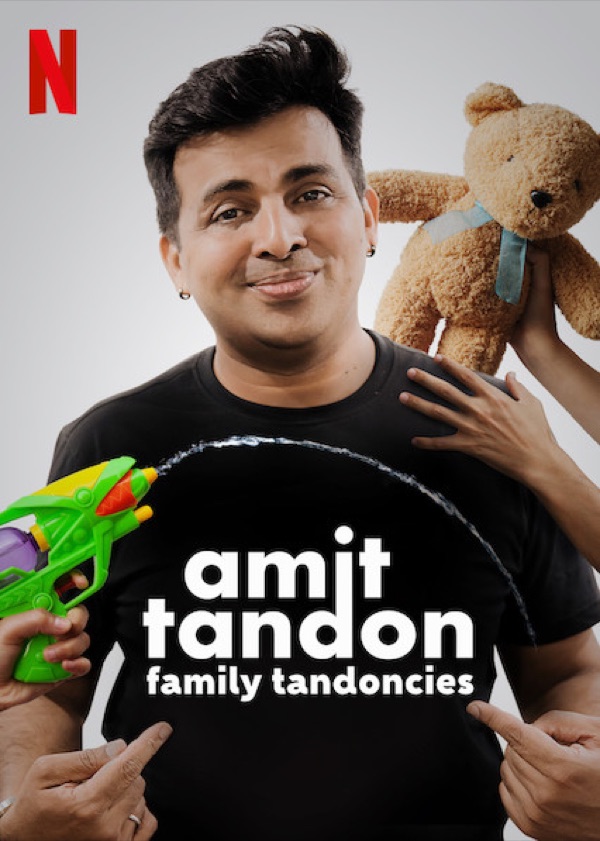
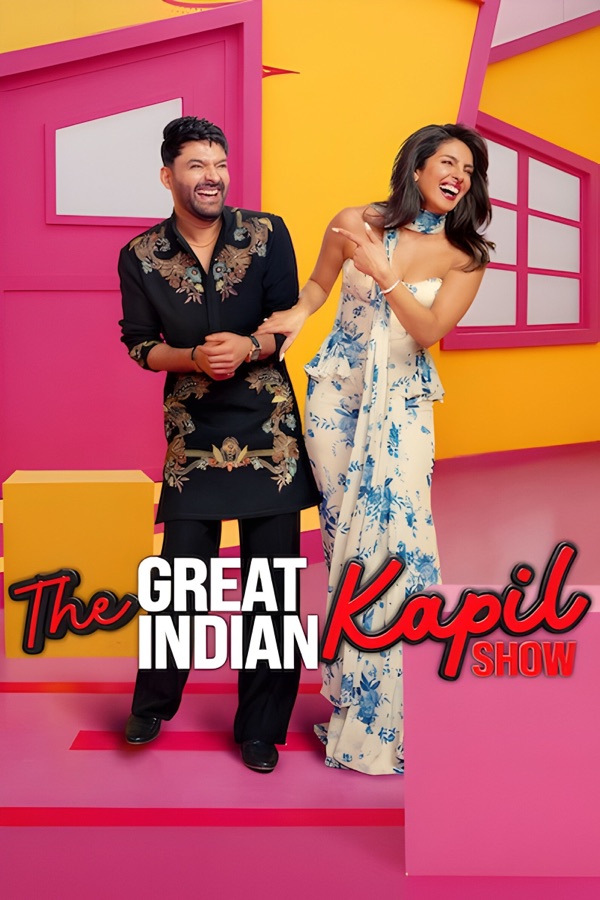
Katrina Kaif, Priyanka Chopra Jonas and Deepika Padukone each launched a beauty brand. One grew, one was sold, one is shrinking. My case study of why, measured in audited revenue and profit.
- Pulled Kay Beauty’s audited FY26 results (₹211.65 cr revenue, ₹21.8 cr profit) from Nykaa’s annual report before the press reported them
- Traced 85% of Kay’s sales to Nykaa companies through stock-exchange related-party filings
- Priced 89 products per 10 ml, pulled eight years of Google search data, and debunked a viral $542.7M Anomaly revenue claim
- Showed why 82°E lost: a name nobody can search, a luxury price and a brand with no story
40 Billion Impressions, 1% Growth
American Eagle’s Sydney Sweeney campaign won the internet. Did it sell the brand? My plan to turn one loud season into repeat customers.
- Tracked four quarters of results by brand: American Eagle stayed near flat while Aerie grew double digits
- Separated the noise from the register with Morning Consult’s favorability data
- Three moves: win the second pair, borrow Aerie’s playbook, and keep the celebrity while dropping the double meaning
- One metric: the repeat rate of the 700,000 customers the campaign brought in
The real problem
Netflix throws the party. Everyone else keeps the guests.
It doesn’t have a content problem. It has a continuity problem: the show drops Friday, and by Saturday the conversation lives somewhere else.


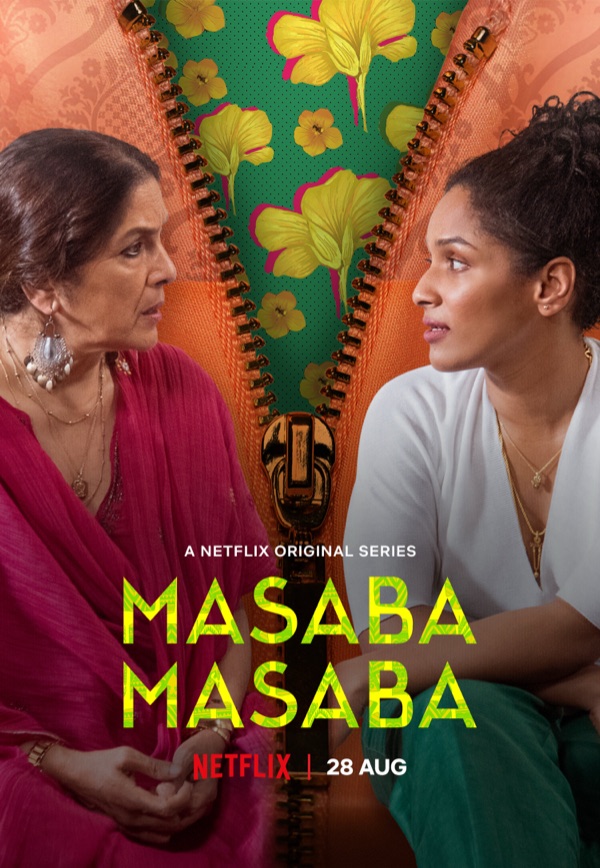

Move 01, cadence
Make Netflix TV again.
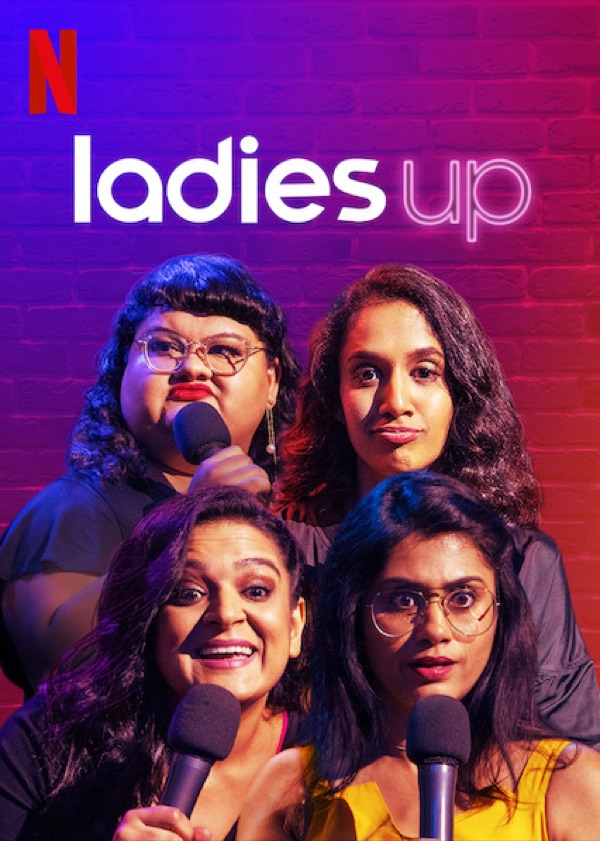
Netflix Nights: something live most weeks, so people ask “what’s on Netflix tonight?” again. Own events, not leagues. It already holds U.S. Women’s World Cup rights for 2027 and 2031.
Move 03, value
Stop selling shows. Sell the world.
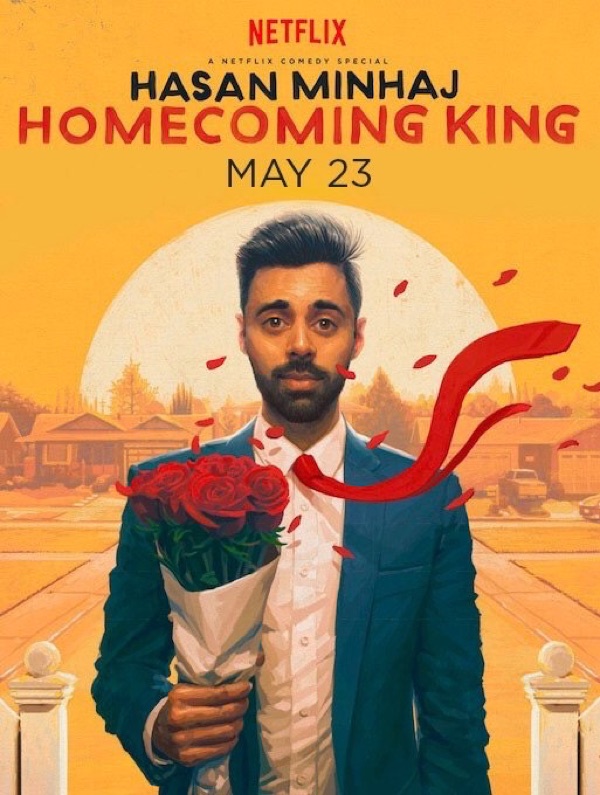
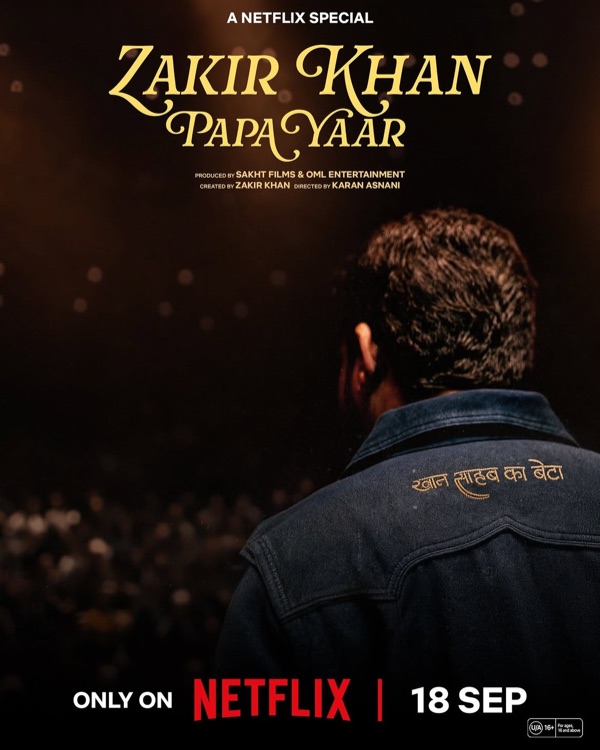
One hit, five revenue streams. Proof it works:

Netflix’s $20B Leak
Netflix makes the biggest hits in the world, then lets the fandom and the money move to YouTube, TikTok and Reddit. My strategy to keep both.
- Started from my RTF 303 analysis of Netflix’s $18B content spend and turned the media theory into a recommendation
- Fact-checked every number against Netflix’s filings, Nielsen and its 2026 Upfront
- Three moves: weekly live and unscripted nights, a world around every hit, and five revenue streams per hit
- Invented IP lifetime value, a scorecard for what each hit is really worth
All Hype, No Club
Prime Video’s book adaptations draw tens of millions of viewers. Its Prime Book Club reaches under 1% of them. My strategy to turn the hype into a club.
- Audited the club’s Instagram and YouTube, then built the case on industry data: Circana, Nielsen, Deadline, The Hollywood Reporter
- Found the gap: Prime’s hits draw tens of millions, and the club reaches about 205K of them
- Three moves: one book a month wired into Kindle and Audible, fan-written formats, and leading with the original-language hits
- A north star only Amazon can measure: readers who watch
UT can fuel student focus by putting real food where students already are.
- the situation
In a 2022 UT Student Government survey, 32% of students were food insecure, and packed class schedules make it worse: many skip meals between classes.
- the catch
Dining isn’t inside the buildings where students spend their day, healthy food is expensive for daily use, and UT has no data on how students actually eat.
- the fix
FuelFlow: smart nutrition stations in 6 to 8 academic buildings, with 10g+ protein meals, nothing over $12.50, and a 60-second checkout.
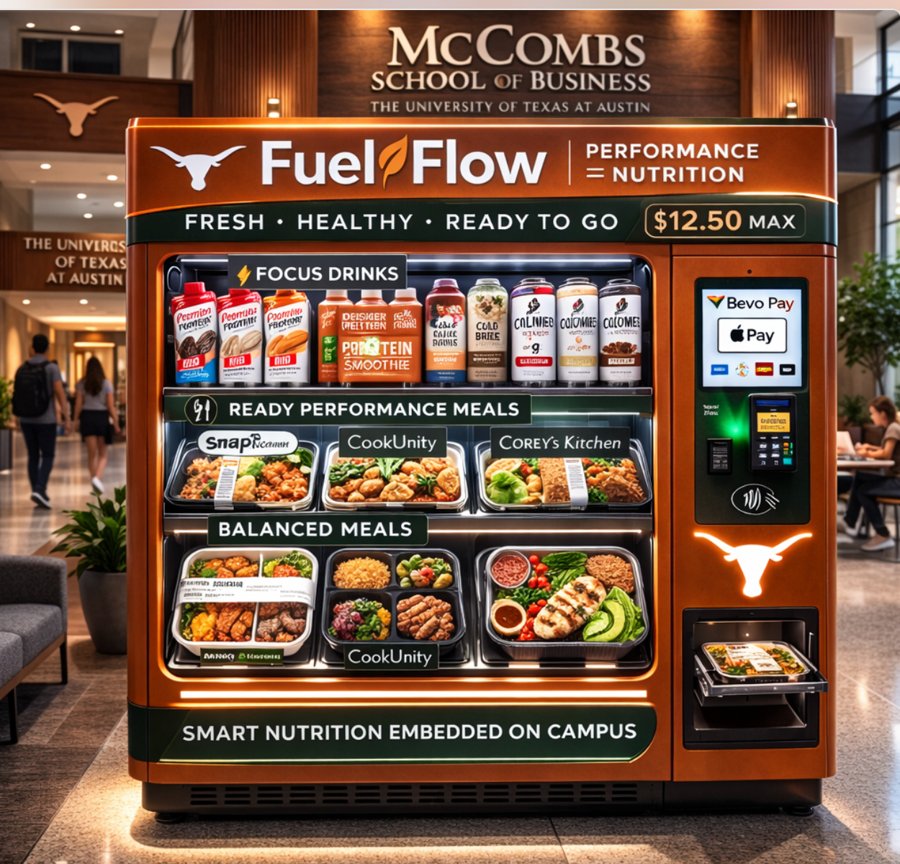
FuelFlow: Smart Nutrition for Campus
A pitch to put affordable, high-protein meal stations inside UT’s academic buildings, opening on a 15-second film of a student’s day. Built solo for MKT 372T.
- Grounded the problem in UT’s own data: 32% of students surveyed were food insecure, and 90% had never used the campus pantry
- Built the buyer persona around UT’s Associate Director of Student Success and Wellness, not the student
- Designed stations for 6 to 8 academic hubs: 10g+ protein, nothing over $12.50, 60-second checkout
- Projected $8K to $12K net revenue per station a year, with 30% reinvested into UT Dining
Starbucks AI Loyalty & Mobile Ecosystem
Where the Starbucks app’s growth is hiding, what to build, and how to measure it. Built solo for MKT 372T Product Management.
- Mapped the business with a Business Model Canvas, Value Proposition Canvas, Product Vision Board and Opportunity Solution Tree
- Prioritized ten new features with KANO analysis and RICE scoring, then sequenced them into a phased roadmap
- Wrote an Amazon-style working-backwards memo and prototyped the redesigned app screens
- Invented a north star metric, Weekly Active Ritual Orders per User (WARO), with the KPI tree behind it
Nobody needs a second Owala.
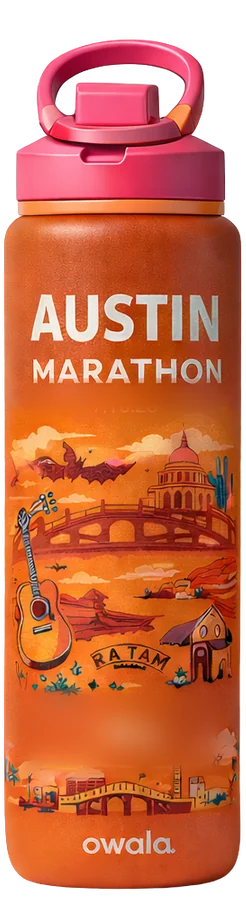
So make them earn one. City-exclusive, engraved with your finish time, only sold to runners.
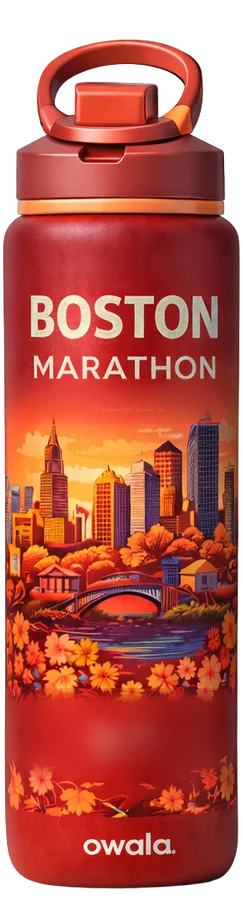
The Race Series makes each bottle a record of achievement worth collecting.
- City-exclusive designRace-licensed art for every city, refreshed each year
- Engraved with your timeName, finish time and date, using the engraving Owala already sells online
- Runners onlySold with race registration, in limited numbers per city
- Collect the cities“Which races have you run?” becomes the reason to come back
 4:12:36
Pick your race 1 of 8 collected
Owala: The Marathon Series
A marketing plan to turn a bottle people buy once into one they collect. Built solo over a semester for MKT 337.
- Diagnosed why Owala’s 400%+ online surge doesn’t bring buyers back: a one-and-done product, trend dependence, no ecosystem and no identity
- Sized the opportunity with verified data: a cooling category, rivals slowing, and runners who already collect races (20,000+ Six Star finishers)
- Priced the bottle at $49.99 on Owala’s existing +$10 custom fee, benchmarked against YETI’s $15 licensed-logo fee
- Built a pilot business case for Boston, Chicago and New York (~141,600 finishers) with a live take-rate model and KPI targets
Wendy’s: Everything Ties Back to the Beef
A competitive activities map: Wendy’s core position, the 13 activities that hold it up, and six new ones I’d add.
- Defined Wendy’s core position: fresh quality, everyday value and convenience, since 1969
- Mapped 13 activities that reinforce it, from barbell pricing and FreshAI to the beef co-op and the franchise model
- Found the gap: breakfast is Wendy’s highest-margin meal but only 7% of revenue, vs. 25% at McDonald’s
- Proposed six new activities, each tied to the core: Happy Hour pricing, a price-lock promise, a Frosty Pass, an AI breakfast habit builder, a seasonal collab calendar and a Kids’ Rewards club
- See the full one-page map ↓
CrowdStrike: The Rival in Every Force
A Five Forces analysis of a cloud security company, from the course case to July 2026.
- Mapped Porter’s Five Forces for CrowdStrike from the FY21 case, then brought every force up to July 2026
- Rated each force and the players inside it, from governments and Delta to NVIDIA, Dell and Google’s $32B Wiz deal
- Found the pattern: Microsoft shows up as supplier, rival, buyers’ leverage and substitute
- Called the industry moderately attractive: switching costs and the Threat Graph protect profits; bundling and big buyers cap pricing
- See the full one-page map ↓
From the archive
One page, one framework.
Strategy one-pagers: the forces around a company, the activities that hold up its position, and where it should grow next. Pick one and click through it.
Porter’s Five Forces
CrowdStrike
- Industry
- Cybersecurity
- Case, FY21
- $874M revenue, $1.05B ARR, 98% gross retention
- Now, July 2026
- $5.84B ARR, up 25%
- July 2024
- A faulty update crashed 8M+ Windows PCs
Industry attractiveness: Moderate. Steady demand, subscriptions and high switching costs support profits, but Microsoft’s bundling, big buyers and heavy R&D cap pricing power.
New entrants: Moderate
-
Google (Wiz, Mandiant, Google SecOps)
Held back: no endpoint agent yet
Bought Wiz for $32B (closed March 2026) and Mandiant, so it now owns cloud security, incident response and a SIEM, exactly the threat the case predicted. (2026)
-
Amazon Web Services
Held back: only covers AWS, and AWS also sells Falcon on its Marketplace, so it is a frenemy
GuardDuty and Security Hub come built into the cloud where customers already run, cheap and one click away.
-
Huntress and Arctic Wolf
Held back: no Threat Graph-scale data
Cheaper managed security for small businesses and MSSPs, the low-price challengers Kurtz warned about. (case)
-
AI-native startups (Torq, Dropzone AI)
Held back: still need years of data and enterprise trust
AI agents that do a security analyst’s job, making it cheap to enter one niche. (2026)
-
Private-equity roll-ups (Thoma Bravo with Darktrace, Proofpoint)
Held back: merging products is slow
Deep pockets buy and stitch firms into new platforms.
Why entry is tempting. The market was forecast to grow from $36B (2021) to $106B by FY2025 (case forecast).
Barriers to entry. Threat Graph network effects (6T+ events a week), a hard-to-copy cloud-native agent, brand trust, 98% retention (case) and FedRAMP certification.
Supplier power: Moderate
-
Microsoft (Windows OS, Azure cloud)
High
Falcon runs on Windows, and after the July 2024 outage crashed 8M+ PCs, Microsoft is moving security vendors out of the Windows kernel. Microsoft is supplier and rival at once, selling Defender. (2026)
-
Other OS owners (Apple, Google, Linux)
Moderate
Falcon needs their system access to protect each device, but no single one controls most endpoints.
-
Cybersecurity and AI talent
High
Threat hunters, AI engineers, and enterprise and SMB sales: the case calls hiring hypergrowth talent one of CrowdStrike’s biggest challenges in a tight labor market. (case)
-
Cloud infrastructure (AWS, Google Cloud)
Moderate
Falcon is cloud-only and never offered on-premise, so it depends on a few hyperscalers; AWS is also a sales partner through AWS Marketplace. (case)
-
AI chips and compute (NVIDIA GPUs)
Moderate
Charlotte AI and agentic security need GPU capacity from a near-monopoly supplier. (2026)
-
Dell, the only PC maker partner
Low
Resells Falcon on Dell commercial PCs and runs MDR on it since 2023, but needs CrowdStrike as much as CrowdStrike needs Dell. (2026)
-
Channel partners (AWS Marketplace, CDW, Optiv, SHI)
Moderate
Open doors to mid-market and SMB buyers, but CrowdStrike also sells direct with free and in-app trials. (case)
Competitors: High rivalry
-
Microsoft Defender
High threat
Bundled in Microsoft 365 E5, #1 share.
-
Palo Alto Networks
High threat
Cortex XSIAM, fights for the whole platform.
-
SentinelOne
High threat
The closest AI-native rival, and cheaper.
-
Trend Micro
Medium threat
Gartner Leader, strong in Asia.
-
Sophos
Medium threat
The small-business and MDR favorite.
-
Fortinet
Medium threat
A firewall giant adding endpoint.
-
Trellix
Little to no threat
McAfee’s enterprise arm, legacy.
-
Broadcom and Symantec
Little to no threat
Legacy antivirus, little new investment.
-
McAfee
Little to no threat
Consumer only, and Kurtz’s old employer.
Who shares the pie (IDC 2024). Microsoft is #1 at 28.6% and CrowdStrike #2, each about double any rival; the rest is fragmented.
Why rivalry is high. Look-alike “buzzword-compliant” products drive price fights (case); Microsoft can accept thin endpoint margins to sell its wider ecosystem; outages hand rivals an opening.
Buyer power: Moderate
-
Government agencies (CISA, federal and state, foreign allies)
High
Huge budgets and rules like FedRAMP; Kurtz testified to the Senate after SolarWinds. (case)
-
Critical infrastructure (Delta, Colonial Pipeline, utilities)
Moderate to high
After the 2024 outage these buyers demand liability terms; Delta’s $500M+ gross-negligence suit was allowed to proceed in 2025. (2026)
-
Large enterprises, banks and the Fortune 500 (Goldman Sachs)
Moderate
Only 176 customers spent over $1M a year vs. 1,569 at $100K to $1M and 8,151 under $100K, so a few big accounts hold the leverage, and Microsoft E5 bundles Defender cheaply. (case)
-
Managed security providers (MSSPs) who resell Falcon
Moderate
Bundle CrowdStrike for many small clients and can swap in SentinelOne or Microsoft if margins shrink.
-
Mid-market, small businesses and universities (Harvard, MIT)
Low
Many small buyers with no security expert who want easy products (Falcon Go, freemium trials). (case)
-
Consumers (Falcon for Mobile)
Low
Tiny individual spend; the case floats going direct-to-consumer to own the “full stack.” (case)
Why buyer power stays in check: switching costs. 66% used 4+ modules (case); now 51% use 6+ and Falcon Flex accounts hold $2.29B ARR (2026). Each module is another workflow to rip out, so threats to leave are weak.
Why buyer power stays in check: breach costs. A breach can now put a company out of business (case), so risk-averse buyers pay for proven protection instead of the cheapest option.
Substitutes: Moderate
-
“Doing nothing”
Kurtz calls it “our biggest competitor.” (case)
-
Free built-in OS security
Windows Defender and Apple XProtect: “good enough” for small buyers.
-
Traditional on-premise security
Full control; one bank refused cloud-only Falcon, then came back. (case)
-
Outsourced MDR services
Expel, eSentire and ReliaQuest run security for you.
-
An in-house SOC on a SIEM
Elastic, Google SecOps, Microsoft Sentinel.
-
Network-first zero trust
Zscaler and Cloudflare guard access, not each device.
Competitive activities map
Wendy’s
Wendy’s core position since 1969: square fresh beef patties that hang over the bun (the 1984 “Where’s the Beef?” ad lifted revenue 31%), everyday value from about $5 Biggie Bags, and drive-thru speed. Every activity here reinforces it.
Red: what Wendy’s does today. Blue: new activities I proposed. Tap one to see how it holds up the core.
Positioning, adjacency and segmentation
Glossier
Mission Give voice to beauty.
Values Inclusive, devoted to the customer, courageous, curious, discerning.
Differentiation Skin first, makeup second; community-built products; “brand as peer,” unlike Estée Lauder and L’Oréal’s top-down celebrity model; signature pink; $15 to $116 accessible prestige.
- Today
-
Milky Jelly, After Baume, Futuredew, Super serums, SPF 50, Solution
-
Boy Brow, Cloud Paint blush and bronzer, Lash Slick, Ultralip, Lip Glaze, Skin Tint
-
Balm Dotcom flavors (Birthday, Black Cherry, I ♥ NY apple)
-
Body Hero, Crème de You, hand cream, deodorant
-
The Glossier You family (You, Doux, Rêve, Soie, Fleur), a $15 Discovery Kit
-
Hoodies, the Smiley Mug, beauty bags, candles, trios, the Face Kit
-
About $15 to $116, between drugstore and luxury
- Next
-
Snowflake pimple patches for winter, avocado under-eye masks, face packs; Glossier sells none today, and they are repeat buys
-
A pomegranate lip tint (builds on the food-flavored Balm Dotcoms), limited Cloud Paint shades each season
-
A $25 makeup and skincare mini quad as an easy first buy, like the $15 fragrance Discovery Kit
-
“I Love Myself,” “Self Love Club,” “Comfortable in My Skin” in hot red and baby pink; Glossier sells only one mug today
-
“Boy Bye” shorts (a Boy Brow pun), sweatpants to match the hoodies, scrunchies
-
Refillable Balm Dotcom and Stretch Concealer cases; Glossier already sells deodorant and perfume refills
- Today
-
glossier.com, built on Glossier’s own e-commerce platform
-
Selling in the app since July 2025
-
“Engrave it” on Glossier You and Balm Dotcom
-
At every Glossier store
-
Free standard shipping on orders over $40
-
A seasonal gift guide, digital gift cards from $15 to $200
-
Customer-inspired products, reviews and “skin first, makeup second” content
- Next
-
A cloud room, life-size products, a pink hot-air balloon, a giant-letter “dotcom” wall to spell your own (like boybye.com); every photo is free marketing
-
Bag color drops with paid initial stamping, Cloud Paint engraving and a matching keychain
-
A new shopping app with 15% off your first in-app order, app-only customizations, and an AI skin quiz and shade match
-
Join free for early access and a birthday gift; spend $250+ a year to move up a tier; spend $500+ to unlock a suggestion box for requesting new products and shades
-
Scheduled pickup, plus private birthday and group parties from 8 to 10 am or after 7 pm
-
TikTok and Reels get-ready-with-me series starring college women at 10 top campuses and working women in the 5 flagship cities; the new “Top Shelf”
- Today
-
11 cities: NYC, Brooklyn, LA, Seattle, Atlanta, Boston, Dallas, DC, Las Vegas, Philadelphia, London
-
Every freestanding Sephora in the US and Canada
-
glossier.com
-
Gen Z and millennials, strongest in big coastal cities
- Next
-
Immersive stores only in NYC, LA, Boston (students and young professionals) and San Francisco (affluent minimalists)
-
First Glossier stores in Toronto and Mexico City, where Glossier is sold only through Sephora today
-
Paris and Barcelona join London to test more European markets
-
A Tokyo store to test East Asia
-
A Singapore store to test Southeast Asia
-
A yearly cloud pop-up tour at Ohio State, UT Austin, Vanderbilt and Michigan
The trade-offs
The Pink Capsule pet line (off-brand for a beauty company)
7 smaller US stores (Atlanta, Brooklyn, Dallas, DC, Las Vegas, Philadelphia, Seattle) to fund 4 big flagships
Ulta (discount-heavy, conflicts with Sephora)
Delhi and Jakarta (price-sensitive; need halal products and wider shades), Seoul (K-beauty’s home turf), wellness ingestibles (regulated, off-core)
Tap a row or column title to focus it, or any line to open it.
- Glossier.com Hero products, the full lineup and “Engrave it” Purchase and retention
- Glossier flagships NYC, LA, London; buy online, pick up in store Engagement and purchase
- Future Tiered membership A birthday gift; tiers at $250 and $500; the top tier requests new shades Retention
- Sephora stores and app Test shades in person at every freestanding US and Canada store Discovery and purchase
- Sets and kits The Face Kit, Skincare Icons, trios Purchase
- Future Working-women GRWM Creator University videos from NYC, LA, Boston, SF and London Discovery
- TikTok Shop In-app shopping since July 2025 Discovery and purchase
- Instagram, TikTok, word of mouth Creators, customer posts and friends’ reviews Discovery
- Future Creator University Campus GRWMs and a cloud pop-up tour at 10 top schools Discovery and engagement
- Sephora fragrance wall Try scents before buying Discovery
- Discovery Kit and sets The $15 Discovery Kit, the Fragrance Trio Purchase
- Gifting The gift guide, engraving, digital gift cards Purchase and new-customer discovery
- Future AI shade match A skin quiz and virtual try-on in the Glossier app Discovery and purchase
- Future Reviews by skin type Shoppable community reviews Engagement
- Future Glossier app 15% off the first in-app order; app-only customizations Purchase and retention
- Future New stores Paris, Barcelona, Tokyo, Singapore, Toronto, Mexico City Discovery and engagement
- Retail partners abroad Sephora UK, France and Mexico; Space NK; MECCA Purchase
- Future Local social Spanish, French and Japanese content and creators Discovery
Tap a segment to focus it and its channels.